Chile, stretching more than 4,300 kilometers from north to south, is framed by the majestic Andes Mountains and the vast Pacific Ocean. Each region reveals a unique scene: from blooming deserts to lush forests, along volcanic landscapes and icy fields.
Why choose Chile as a travel destination?
Chile has firmly placed itself on the world map as an epicenter of experiences. Indigenous roots, European influence, and countless traditions have shaped a rich, vibrant culture. Its cities stand as hubs of history and modernity, while its landscapes look as if they were lifted from a fantasy tale.
Tips for your trip
-
Best time to visit: Chile is a land of climatic contrasts. While the north is arid, the south is milder and wetter. Research the weather in the specific region you plan to visit to ensure the best experience.
-
Currency and payments: Most shops and restaurants accept credit cards, but some local markets and street vendors prefer cash. It’s wise to carry a small amount with you.
-
Language: Spanish is the predominant language, but learning a few basic phrases is helpful—especially if you plan to visit rural areas.
-
Transportation: Chile has an extensive network of intercity buses and domestic flights that make it easy to travel between cities and regions.
Accommodation
-
Hotels and hostels: As the capital, Santiago offers a wide range of luxury hotels, while cities like Valparaíso and La Serena have charming hostels that reflect local culture.
-
Airbnb: For deeper cultural immersion, staying in an Airbnb lets you experience local life. From modern apartments to rural homes, there are options for everyone.
-
Glamping: If you’re seeking a closer connection with nature, glamping in places like the Elqui Valley or Torres del Paine offers comfort amid breathtaking landscapes.
Must-see places
-
Santiago: Beyond being the capital, Santiago is a cultural hotbed. Don’t miss the Bellavista neighborhood—full of art and gastronomy—or the view from San Cristóbal Hill.
-
Valparaíso: Known as the “Little San Francisco,” Valparaíso is a maze of steep streets and colorful houses. The Reina Victoria funicular and the city’s murals are part of its charm.
-
Atacama Desert: Visit the Altiplanic Lagoons and the Moon Valley, and don’t miss a night of stargazing under some of the clearest skies on earth.
-
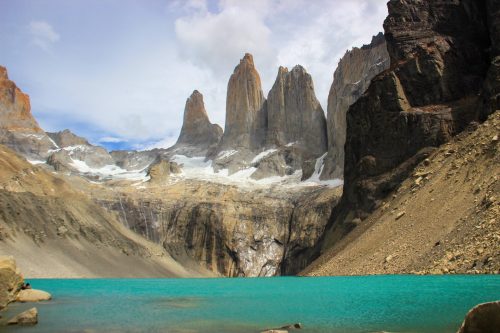
Torres del Paine: A paradise for trekking lovers. Views of the Paine Massif and surrounding glaciers are unforgettable.
-
Easter Island (Rapa Nui): Beyond the moai statues, the island offers beaches like Anakena and Ovahe and a rich Polynesian history.
-
Chiloé: Stilt houses, heritage churches, and local legends—like the Caleuche and the Pincoya—make Chiloé a magical place.
-
Wine Route: From the Casablanca Valley to the Colchagua Valley, Chile’s wine culture is a sensory experience. Wineries offer tours and tastings that will delight your palate.
- Sobre el Editor
- Ultimos posts cargados

“¡Hola a todos! Mi nombre es Estefanía y tengo el placer de ser parte del increíble equipo de edición de artículos en InfoCities.NET. He tenido el privilegio de trabajar en el apasionante campo de la tecnología, donde he podido ayudar a mejorar la AI de grandes empresas.