Brazil, the largest country in South America, is a diverse and vibrant nation that truly has something for everyone. From its breathtaking natural landscapes to its rich culture and history, Brazil is a unique destination that leaves no one indifferent. Come along with me on this adventure!
History and Culture
Brazil has been home to a wide variety of peoples and cultures over the centuries. Before the arrival of Europeans, the land was inhabited by numerous Indigenous tribes, each with its own language, customs, and traditions. Indigenous culture is still very much alive in the Amazon region, where many communities continue to preserve their ancestral ways of life.
Portuguese colonization in the 16th century left a deep mark on Brazil’s history and culture. The Portuguese brought their language, religion, and traditions, which blended with Indigenous and African cultures. Slavery, which lasted until 1888, had a huge impact on Brazilian society—especially in the Northeast, where Afro-Brazilian influence is still strongly felt today.
Brazil and Its Diversity
Brazil’s diversity shines through in its music, dance, and festivals. The country’s rich cultural history has given rise to a wide variety of musical styles and dances that celebrate its many ethnic and cultural roots. From Afro-Brazilian rhythms to Indigenous melodies and European influences, Brazilian music is a true kaleidoscope of sounds and styles.
Samba
Samba is undoubtedly one of the most iconic musical styles in Brazil. Born in Afro-Brazilian communities in Rio de Janeiro at the end of the 19th century, samba has become a powerful symbol of Brazilian national identity. It’s known for its infectious rhythms and its ability to get absolutely everyone dancing.
Samba schools play a key role in Brazil’s cultural life, especially in Rio, where they take part in the world-famous Carnival parade. The Rio Carnival is one of the largest celebrations on the planet, and samba schools compete in a dazzling display of music, dance, and color that attracts visitors from all over the world.
Bossa Nova
Bossa nova is another Brazilian music genre that has achieved international fame. Emerging in the 1950s in Rio de Janeiro, bossa nova blends elements of samba and jazz to create a smooth, melodic, and sophisticated sound.
Artists like João Gilberto, Antônio Carlos Jobim, and Astrud Gilberto popularized this style worldwide with songs such as “The Girl from Ipanema” and “Chega de Saudade.” Today, bossa nova is a symbol of the elegance, charm, and relaxed spirit of Brazilian culture.
Forró
Forró is a beloved music and dance style from Northeastern Brazil, especially in states like Bahia, Pernambuco, and Ceará. It’s characterized by joyful rhythms and a lively partner dance that’s fun, close, and energetic.
Traditional forró instruments include the accordion, triangle, and zabumba (a type of drum). Forró is an essential part of the Festas de São João, annual June celebrations held throughout the Northeast in honor of Saint John. During these festivals, the streets fill with music, dancing, fireworks, and pure joy.
Brazilian Gastronomy: A Culinary Journey
 The cuisine of Brazil is a true feast of flavors, combining Indigenous, European, and African influences. Each region has its own specialties, making Brazil a fascinating culinary destination.
In the North, Amazonian cuisine stands out for its exotic ingredients and unique flavors. Açaí, a tropical berry, is a staple in the region and is used in smoothies, bowls, ice creams, and desserts. Another must-try dish is tacacá, a flavorful soup made with shrimp, cassava (yuca), and regional herbs.
In the Southeast, food is heavily influenced by Portuguese traditions and Italian cuisine. Bakeries and pastry shops offer treats like pastéis de nata and brigadeiros, while pizzerias are extremely popular in cities such as São Paulo. Feijoada, a hearty stew of black beans and pork, is one of Brazil’s most iconic dishes and is enjoyed across the entire country.
Nature and Landscapes
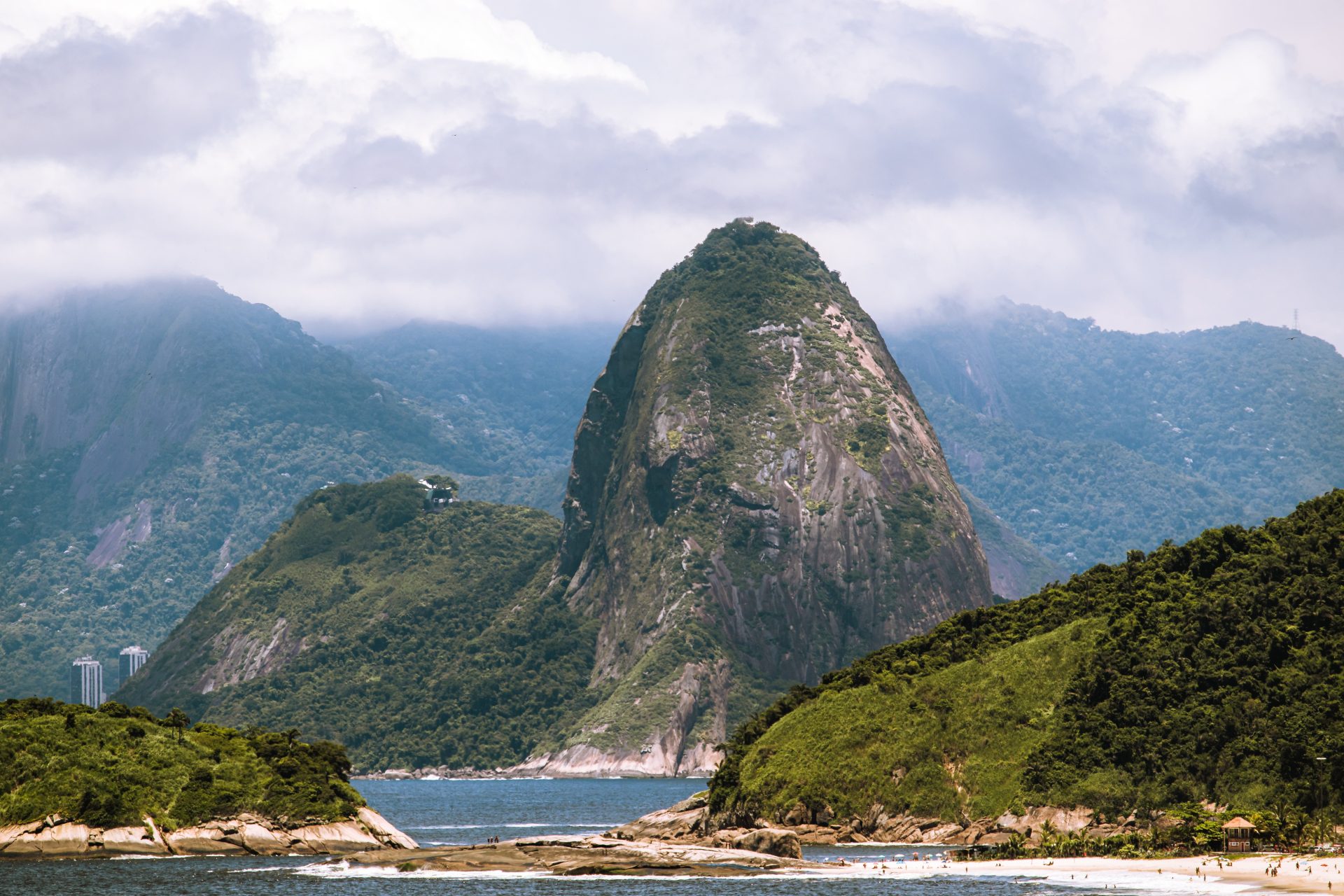
Brazil, the largest country in Latin America, is famous for its spectacular nature and landscapes, ranging from tropical rainforests to paradise beaches. With a one-of-a-kind biodiversity, Brazil is a dream destination for nature lovers and offers a wide variety of outdoor activities. Here are some of the natural wonders you can’t miss.
The Amazon
The Amazon is one of the most biodiverse regions on Earth, stretching across nine South American countries—Brazil being the one that holds the largest portion of this tropical rainforest. Covering more than 5.5 million square kilometers, the Amazon is home to an astonishing variety of plants and animals, including jaguars, pink river dolphins, and thousands of bird species.
The rainforest offers countless outdoor experiences, such as boat rides on the Amazon River, jungle hikes, and wildlife watching. You can also visit Indigenous communities and learn about their traditions, spirituality, and relationship with the forest.
The Pantanal
The Pantanal is the largest tropical wetland in the world and is located in central Brazil. This vast region of floodplains and lagoons is renowned for its extraordinary wildlife and is one of the best places in South America for animal watching.
Here you can spot jaguars, capybaras, caimans, and over 650 bird species. The Pantanal is a paradise for birdwatchers and nature enthusiasts, offering a unique safari-style experience in the heart of the continent.
Paradise Beaches
With more than 7,400 km of coastline, Brazil is world-famous for its stunning beaches. Copacabana and Ipanema in Rio de Janeiro are perhaps the best known, with spectacular views, white sand, and a lively Carioca atmosphere.
In the Northeast, beaches like Jericoacoara and Porto de Galinhas offer crystal-clear waters, golden dunes, and a more tranquil vibe. In the state of Bahia, you’ll find some of Brazil’s most beautiful beaches, such as Trancoso and Praia do Forte, where unspoiled nature blends with Afro-Brazilian culture and a relaxed lifestyle.
National Parks
Brazil is home to numerous national parks that protect its unique biodiversity and landscapes. Some of the most famous include the Tijuca National Park in Rio de Janeiro—one of the largest urban forests in the world—and Chapada Diamantina National Park in Bahia, known for its dramatic rock formations, caves, and waterfalls.
Another unmissable destination is Lençóis Maranhenses National Park, a surreal landscape of endless white sand dunes dotted with crystal-clear lagoons that form during the rainy season. It’s one of the most extraordinary and photogenic places in Brazil.
Conclusion
Brazil is a country that offers a rich tapestry of experiences, from its music, culture, and cuisine to its wild nature and unforgettable landscapes. With its incredible diversity of peoples, traditions, and flavors, Brazil is a one-of-a-kind destination that captures the true essence of South America.
- Sobre el Editor
- Ultimos posts cargados

Mi pasión por la escritura y la tecnología se combina en cada artículo que edito. Me esfuerzo por transmitir conceptos complejos de manera accesible, de modo que cualquier lector pueda comprender y apreciar el impacto de la tecnología en nuestras vidas.