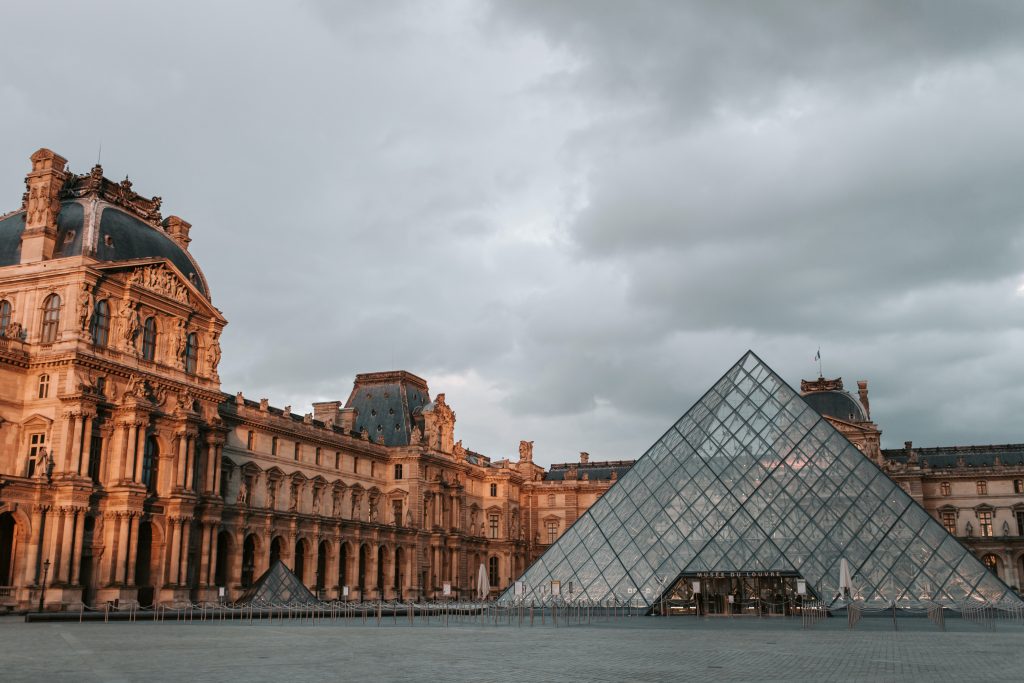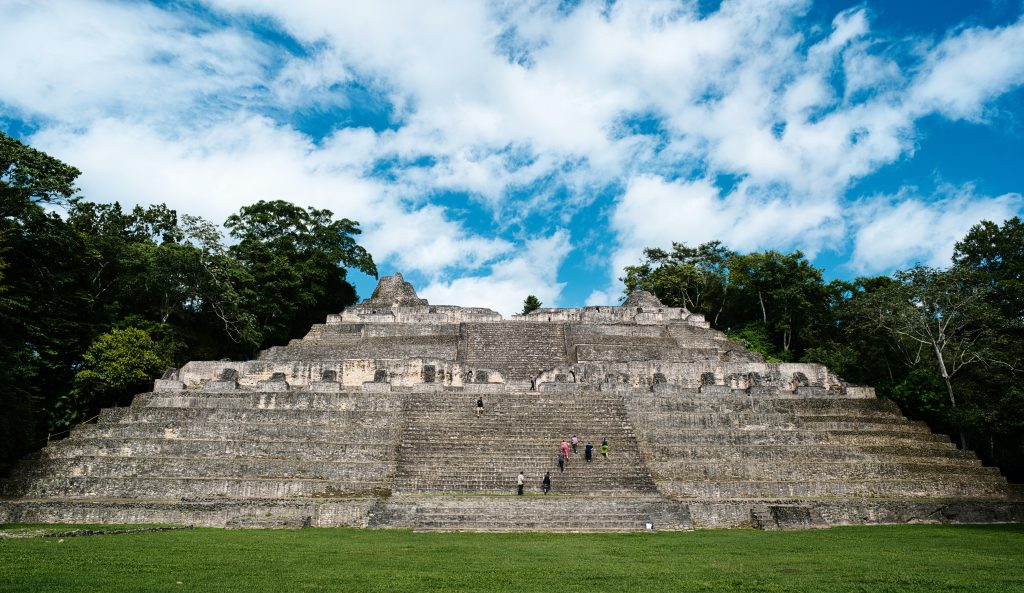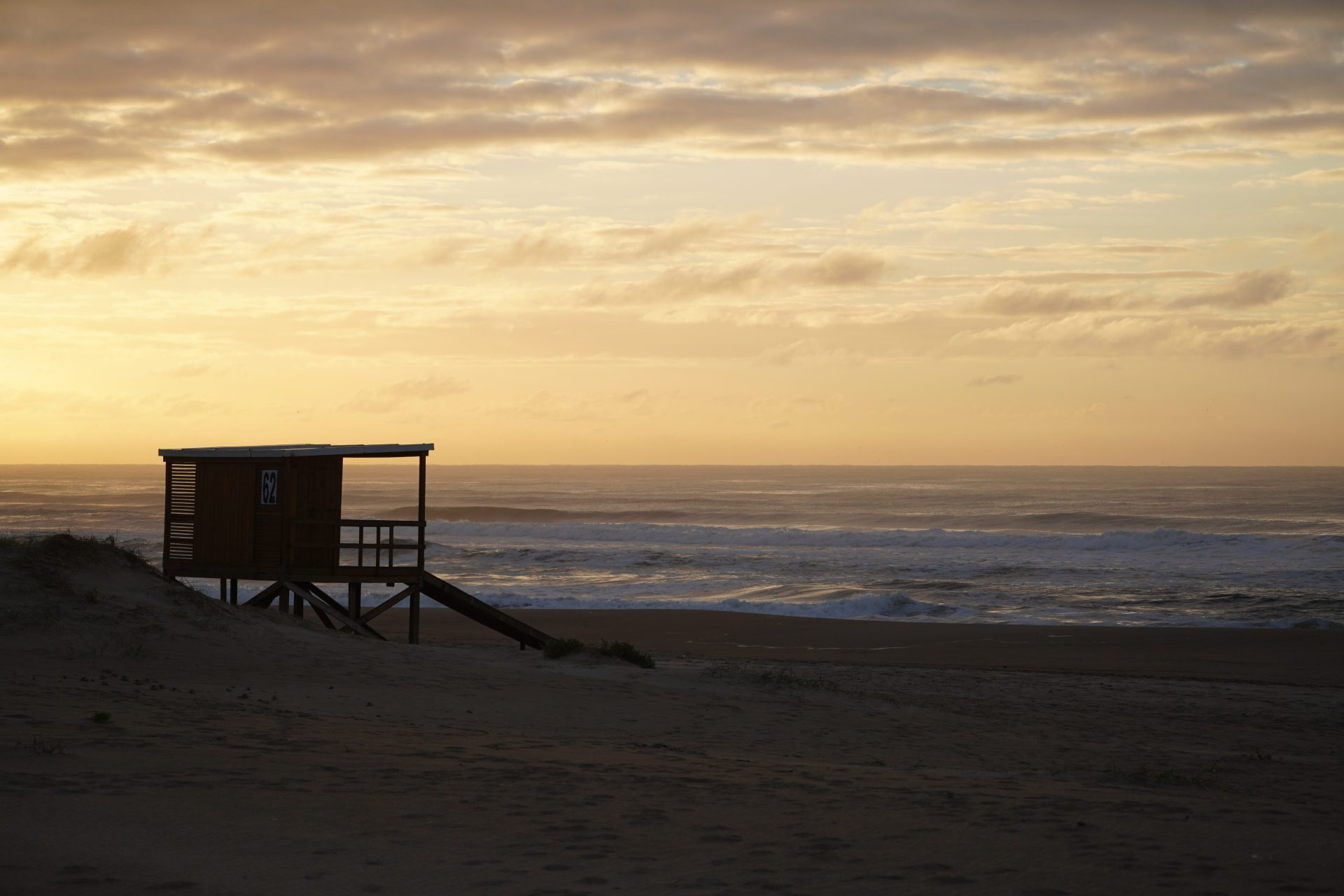
Uruguay, located in the southeast of South America, may be small in size, but it has a wealth of attractions that make it an exceptional destination. Its Atlantic and Río de la Plata coastlines, rich history, vibrant culture, and warm hospitality create an unforgettable experience for every traveler.
Places to Visit
Montevideo
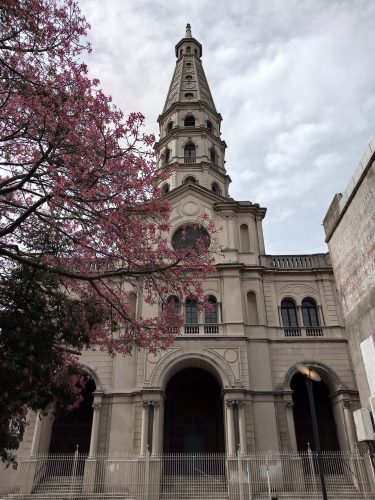 Montevideo, the capital of Uruguay, is a blend of cultures, eras, and styles. In the Ciudad Vieja, the city’s historic heart, you can wander through narrow cobblestone streets and admire colonial architecture mixed with modern urban art. Here you’ll find the iconic Mercado del Puerto, the perfect place to taste traditional Uruguayan barbecue and enjoy live music.
The city’s famous Rambla, a waterfront promenade along the Río de la Plata, is ideal for walking, running, or simply relaxing with river views. Montevideo also stands out for its vibrant cultural scene, with theaters, museums, and art galleries throughout the city. It’s also the birthplace of tango and candombe, two musical genres that you can experience in local venues and street performances.
Punta del Este
Often referred to as the “Riviera of South America,” Punta del Este is a glamorous seaside destination known for its luxury and vibrant nightlife. The beaches of La Brava and La Mansa are perfect for sunbathing, swimming, and water sports.
One of the city’s most iconic landmarks is “La Mano,” a sculpture of five fingers emerging from the sand that has become a symbol of Punta del Este. Visitors can also enjoy renowned cultural events like the Punta del Este International Film Festival. Just a short drive away is Casa Pueblo, an extraordinary structure created by Uruguayan artist Carlos Páez Vilaró, housing a museum and art gallery overlooking the sea.
Colonia del Sacramento
Colonia del Sacramento is a historic city on the shores of the Río de la Plata. Founded by the Portuguese in the 17th century, Colonia changed hands between Spain and Portugal multiple times, a history reflected in its architecture and urban layout.
Its Historic Quarter, a UNESCO World Heritage Site, is a magical place where you can stroll through cobblestone streets lined with colonial homes, churches, and museums. The Plaza Mayor is the center of the old town and home to landmarks like the Basilica of the Blessed Sacrament and the Tile Museum. From the Colonia Lighthouse, you can enjoy panoramic views of the city and the river. The area also offers artisan shops where you can buy authentic, handcrafted souvenirs.
Things to Do
Beaches and Water Sports
With a long coastline along the Río de la Plata and the Atlantic Ocean, Uruguay is a paradise for beach lovers and water sports enthusiasts. Beaches like La Pedrera, Cabo Polonio, and Punta del Diablo are famous for their waves, making them ideal for surfing.
Kiteboarding is also popular thanks to coastal winds that create perfect conditions for gliding over the water. Fishing enthusiasts will enjoy the abundance of species such as croaker, flounder, and silverside found in the Río de la Plata and nearby lagoons. Both sport fishing and fly-fishing are common activities, offering a peaceful escape in stunning natural settings.
Wine Routes
Wine is an essential part of Uruguayan culture, and the country has earned international recognition for its high-quality wines—especially Tannat, a grape variety that thrives in Uruguay’s climate and soil.
Wine routes offer the chance to visit some of the nation’s top wineries, taste exceptional wines, learn about the winemaking process, and enjoy panoramic vineyard views. Notable wineries include Bouza, Garzón, and Juanicó. At Bouza, you can pair wine tastings with regional cuisine, while Garzón features a world-class dining experience led by chef Francis Mallmann. Juanicó offers expansive vineyards and a deep dive into the history of the estate.
Rural Tourism and Ecotourism
Uruguay’s natural beauty and rural landscapes make it ideal for travelers seeking a peaceful countryside experience. At estancias and rural lodges, you can stay in serene settings and participate in farm activities like milking cows, horseback riding, or helping with daily ranch work.
Regions like Tacuarembó and Rocha immerse visitors in gaucho culture, with traditional foods such as asado and torta frita. Uruguay also has protected natural areas like Quebrada de los Cuervos and Santa Teresa National Park, where you can explore hiking trails, observe wildlife, and enjoy untouched nature.
Conclusion
Uruguay may be small, but it offers an extraordinary variety of landscapes, culture, and activities. From historic cities and stunning beaches to vineyards and natural reserves, the country invites travelers to explore its charms and experience its warm hospitality. Without a doubt, this South American gem has something special for every visitor.
- Sobre el Editor
- Ultimos posts cargados

Mi pasión por la escritura y la tecnología se combina en cada artículo que edito. Me esfuerzo por transmitir conceptos complejos de manera accesible, de modo que cualquier lector pueda comprender y apreciar el impacto de la tecnología en nuestras vidas.