
The thrill of risk-taking
The allure of gambling often lies in the excitement and thrill of risk-taking. Engaging in activities that challenge our comfort zones can trigger adrenaline responses, making the experience exhilarating. This rush is akin to the feelings one might receive from extreme sports or other high-stakes activities, creating a sense of euphoria. The brain releases dopamine, a neurotransmitter associated with pleasure, reinforcing the behavior of taking risks and further driving the desire to gamble. For those looking for quick returns, exploring options like casino instant withdrawal can enhance the experience and excitement. The psychological impact of this thrill can lead individuals to seek out gambling as a primary source of excitement in their lives.
Gambling environments are meticulously designed to heighten this sense of thrill. The use of bright lights, engaging sounds, and vibrant colors stimulates the senses and enhances the overall experience. Every element, from the sound of spinning reels to the bright lights of a slot machine, is curated to create a captivating atmosphere. This sensory overload distracts players from the reality of losing, enabling them to gamble for extended periods. The psychological implications of these factors cannot be understated, as they can lead individuals to lose track of time and money while seeking that next high, often rationalizing their choices along the way.
Moreover, the nature of gambling itself often leads players to experience mixed outcomes, which can intensify their desire to continue playing. The concept of intermittent reinforcement—where rewards are given sporadically—creates a cycle that keeps players engaged. Unlike consistent rewards, this unpredictability amplifies excitement and anticipation, making subsequent games feel even more thrilling and compelling. This phenomenon is particularly relevant in games of chance, as players develop a narrative around their experiences that fuels their desire to chase that next elusive win.
The social aspects of gambling
The social dynamics of gambling also play a significant role in its appeal. Many individuals are drawn to gaming establishments not just for the games themselves but for the camaraderie and interaction they offer. Shared experiences, such as cheering for a sports team or celebrating a jackpot, foster a sense of community among players. This social reinforcement can encourage participants to engage more frequently, as they seek both the thrill of the game and the connection with others. For many, the social aspect of gambling transforms it from a solitary activity into a communal experience, enhancing its attractiveness.
Group settings can create an environment where individuals feel more encouraged to take risks. Peer pressure can be a powerful motivator, as friends spur each other on to wager larger amounts or try new games. The desire to impress others or fit in with a group can drive players to make decisions they might not consider in isolation. The fun and lively atmosphere of a casino or betting venue often amplifies this dynamic, leading to higher spending and a greater risk of developing problematic gambling behaviors. The social context can thus become a double-edged sword, enhancing enjoyment while also encouraging riskier behavior.

Additionally, gambling can serve as a social lubricant, helping individuals relieve stress and bond with others in a relaxed atmosphere. Whether it’s a night out at a casino or a day at a racetrack, the social context surrounding gambling can provide a unique escape from daily life. This feeling of belonging, combined with the thrill of playing, can create a potent draw for many, enhancing the overall experience and leading to increased participation. Over time, these social interactions can foster a sense of loyalty to the community, further entrenching individuals in the gambling culture.
The role of cognitive biases
Cognitive biases significantly impact gambling behavior by distorting perception and decision-making. One common bias is the illusion of control, where individuals believe they have more influence over the outcome of random events than they actually do. Gamblers may think that certain strategies or rituals can sway outcomes, which can lead to persistent play even in the face of losses. This misconception fuels the desire to continue playing, as players cling to the hope that success is just around the corner, often leading to chasing losses and deeper financial commitment.
Another prevalent bias is the gambler’s fallacy, which leads individuals to believe that past outcomes affect future probabilities in independent events. For instance, after a series of losses, a player might feel a win is “due,” which can encourage them to gamble more heavily in hopes of recovering their losses. This faulty reasoning can perpetuate a cycle of chasing losses and can lead to significant financial consequences. The belief that they can turn their luck around often traps players in a cycle that is difficult to break, as the emotional highs of potential wins overshadow rational decision-making.
Finally, the concept of confirmation bias comes into play, as gamblers often focus on their wins while downplaying losses. This selective memory reinforces the belief that they are skilled at gambling, contributing to continued participation. By reinforcing these cognitive distortions, the psychology of gambling can create a self-perpetuating cycle, where players become increasingly invested both emotionally and financially in their chosen activities. As players become more entrenched in these biases, it becomes increasingly challenging to recognize the risks involved, leading to more significant issues down the line.
The emotional escape gambling provides
For many individuals, gambling serves as an emotional escape from the stresses of everyday life. The act of placing bets and the anticipation of potential wins can provide a temporary distraction from personal problems, financial pressures, or emotional turmoil. This coping mechanism can be particularly appealing during rough patches, allowing individuals to immerse themselves in a world where their troubles feel distant, albeit temporarily. The escape that gambling provides often serves as a balm for deeper emotional wounds, making it an attractive option for those seeking relief.
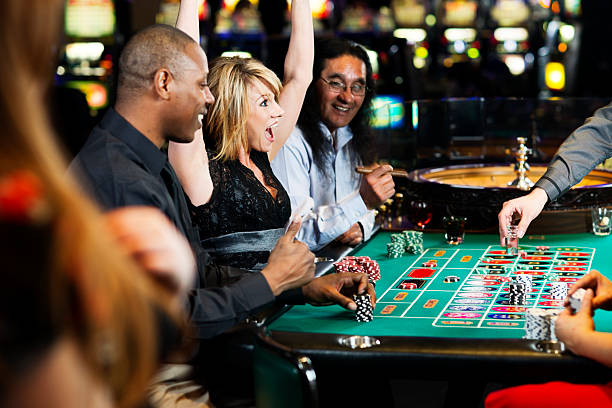
The rush associated with gambling can also trigger powerful positive emotions, such as excitement, joy, and hope. Engaging with games can create a sense of purpose or belonging, especially for individuals who might struggle in their daily lives. The highs of winning can foster a sense of achievement, leading many to return repeatedly in search of that euphoric feeling. For some, this emotional rollercoaster can turn into a habitual response to stress, heightening the risk of developing compulsive gambling behaviors. The emotional highs and lows can create an addictive pattern that is difficult to break.
Moreover, the sense of community often found within gambling establishments adds an additional layer of emotional support. Players may find solace in shared experiences and connections with others facing similar challenges. These social interactions can further enhance the appeal of gambling, reinforcing the notion that it provides more than just entertainment but also serves as a powerful emotional outlet. The bonds formed in these environments can create a sense of loyalty and belonging, which can further entrench individuals in their gambling habits.
Understanding responsible gambling practices
As the allure of gambling continues to attract individuals, understanding responsible gambling practices becomes crucial. It is important for players to recognize their limits and approach gambling as a form of entertainment rather than a way to solve problems. Many organizations promote responsible gambling by providing resources and support for those struggling with their gambling habits, encouraging a balanced approach to participation. Education about the psychological aspects of gambling helps players understand the risks involved and empowers them to make informed choices.
Setting limits on time and money spent gambling can help individuals safeguard against negative consequences. Many casinos and online platforms offer tools for self-exclusion and budget management, allowing players to take control of their gambling activities. Learning to recognize the signs of problem gambling can be instrumental in preventing issues before they escalate. By promoting a culture of awareness, individuals can enjoy the thrill of gambling while minimizing the risks associated with it.
Ultimately, promoting responsible gambling is about creating a culture of awareness and support. By understanding the psychological drivers behind gambling, individuals can better navigate their experiences and seek help when necessary. Ensuring that gambling remains a fun and pleasurable activity is key to mitigating potential harm and fostering a healthier attitude toward risk-taking. Organizations and communities can play a pivotal role in supporting individuals in their gambling journeys, reinforcing positive behaviors and encouraging responsible participation.
- Sobre el Editor
- Ultimos posts cargados

¡Bienvenidos a Infocities.net! Soy Nicolás, y tengo el placer de ser el manager de este emocionante sitio web que combina dos de mis pasiones: el turismo y la tecnología. Permíteme guiarte a través de esta maravillosa experiencia.
Con más de dos década de experiencia, he tenido la oportunidad de presenciar de primera mano cómo la tecnología ha transformado el modo en que viajamos y exploramos el mundo. En Infocities.net, hemos creado un espacio en línea donde ambos mundos convergen, brindando a los viajeros una visión única y fascinante de los destinos turísticos más asombrosos, al tiempo que destacamos las últimas innovaciones tecnológicas que están cambiando la forma en que viajamos.